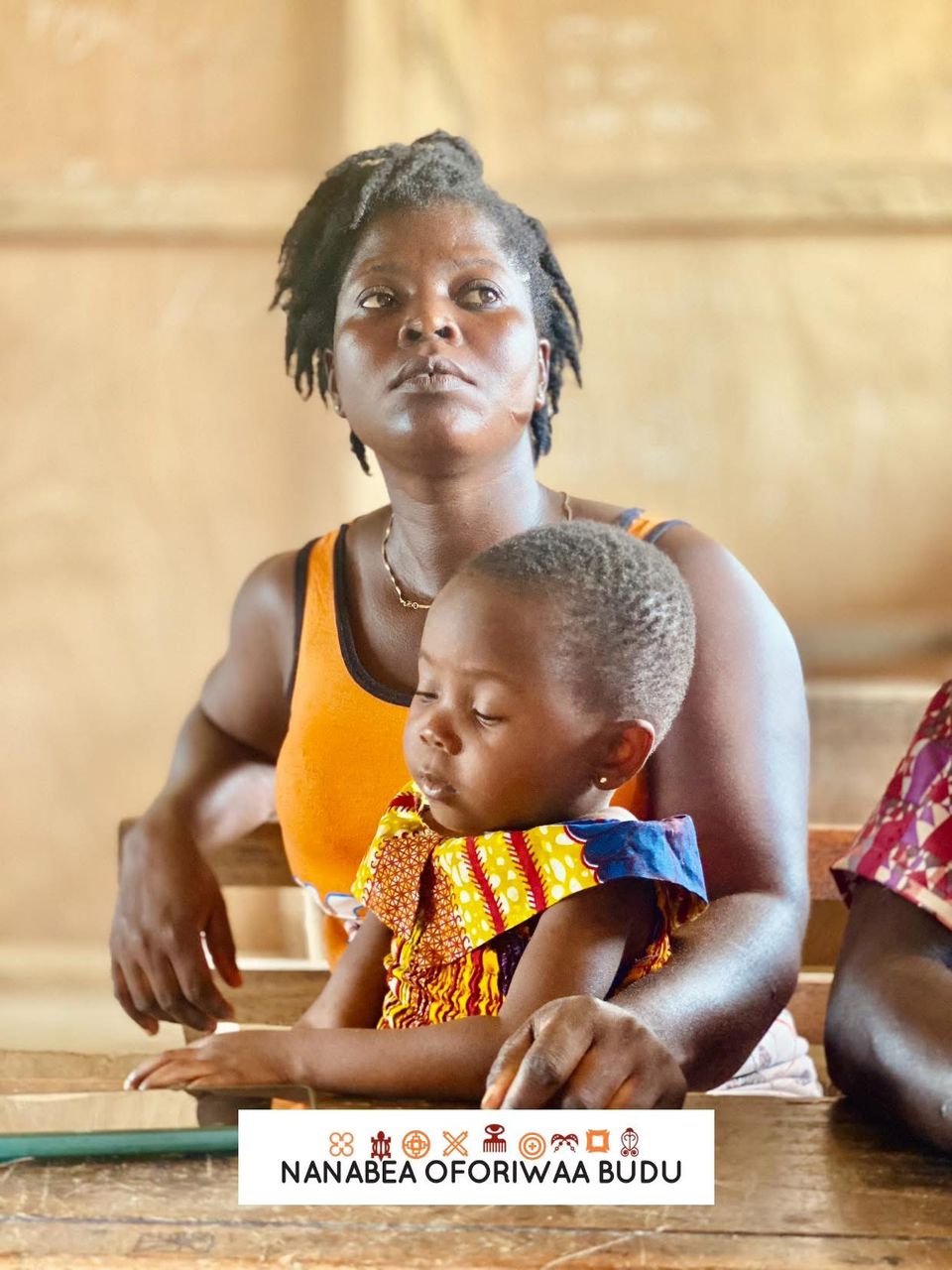
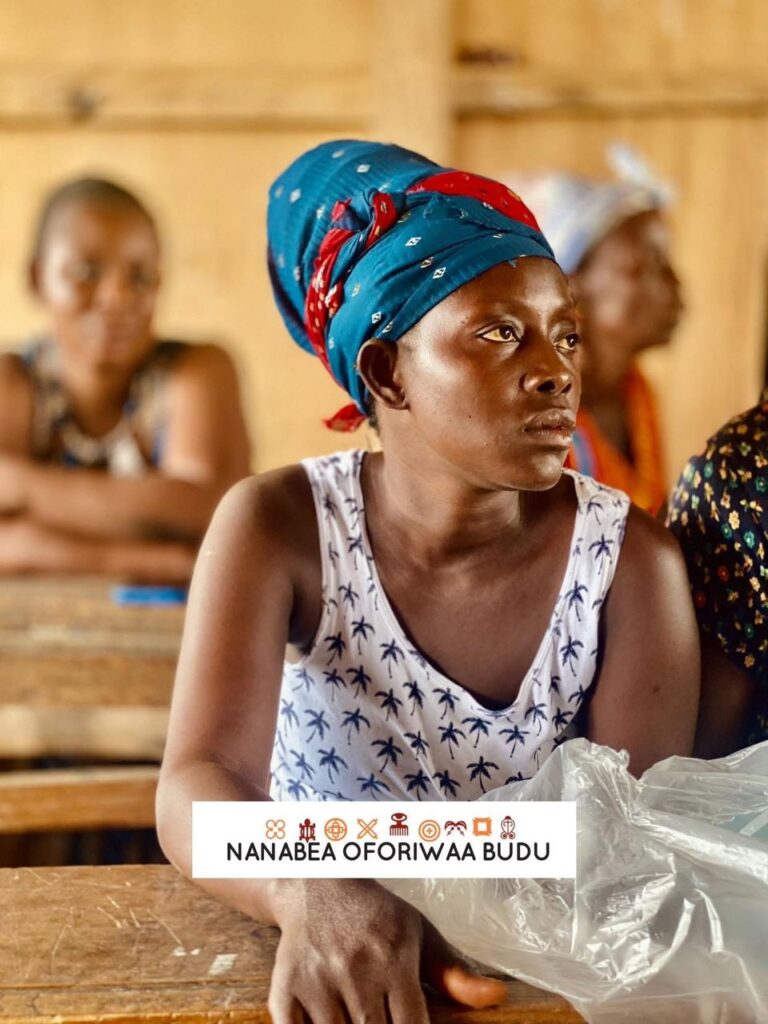
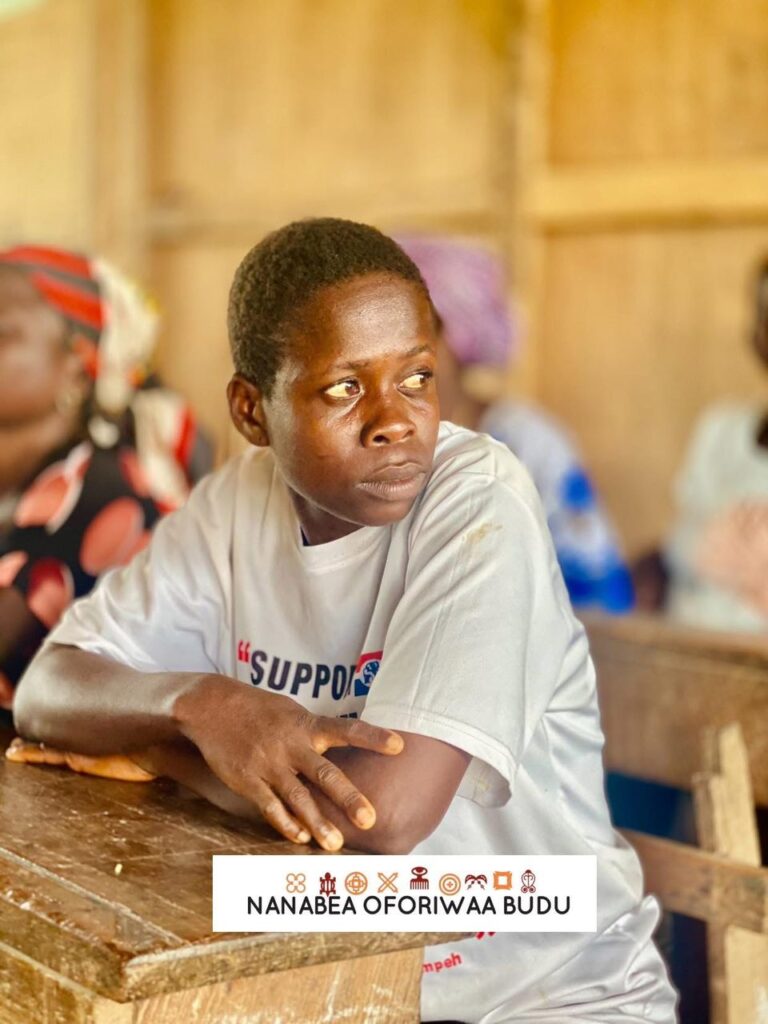
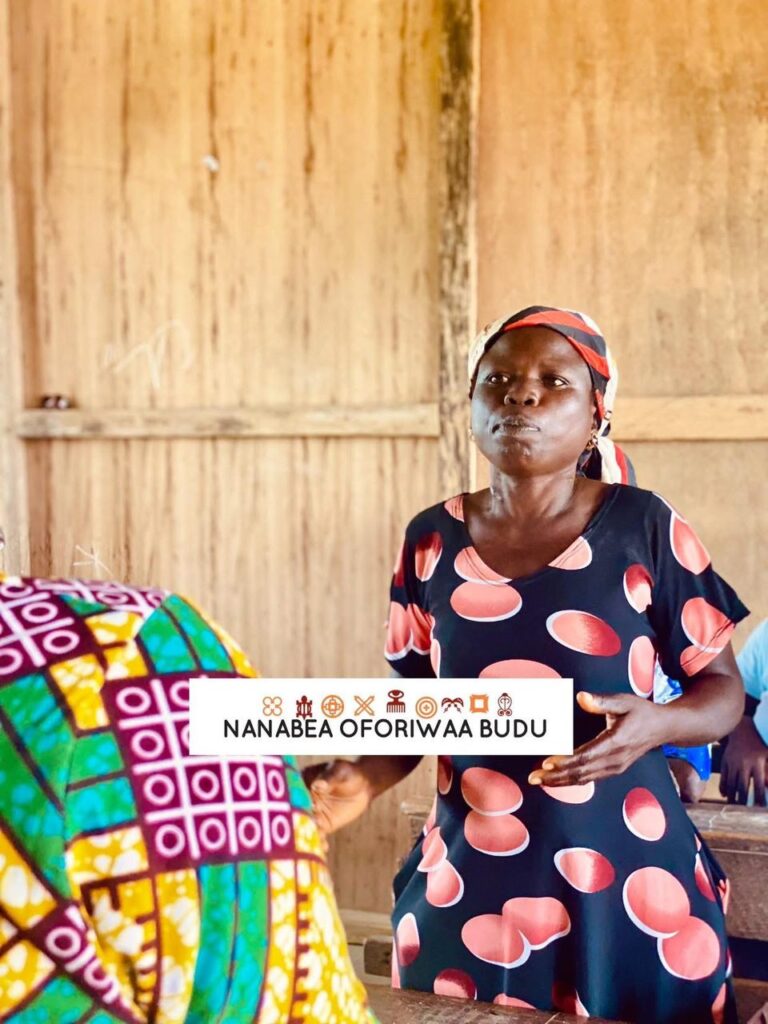
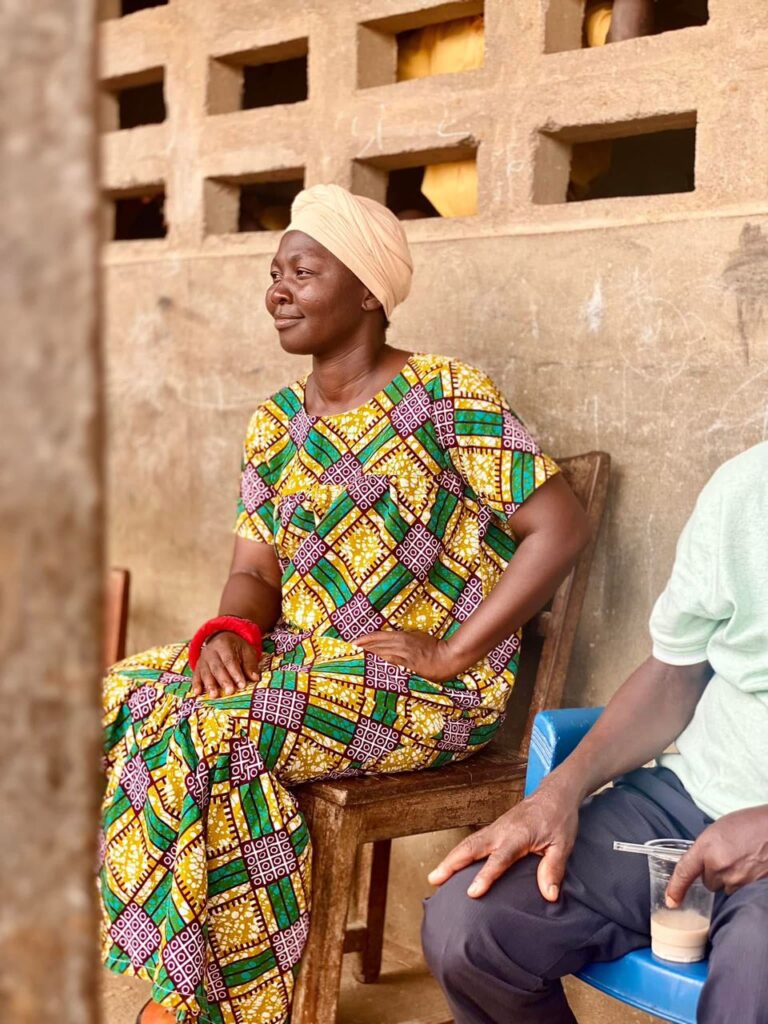
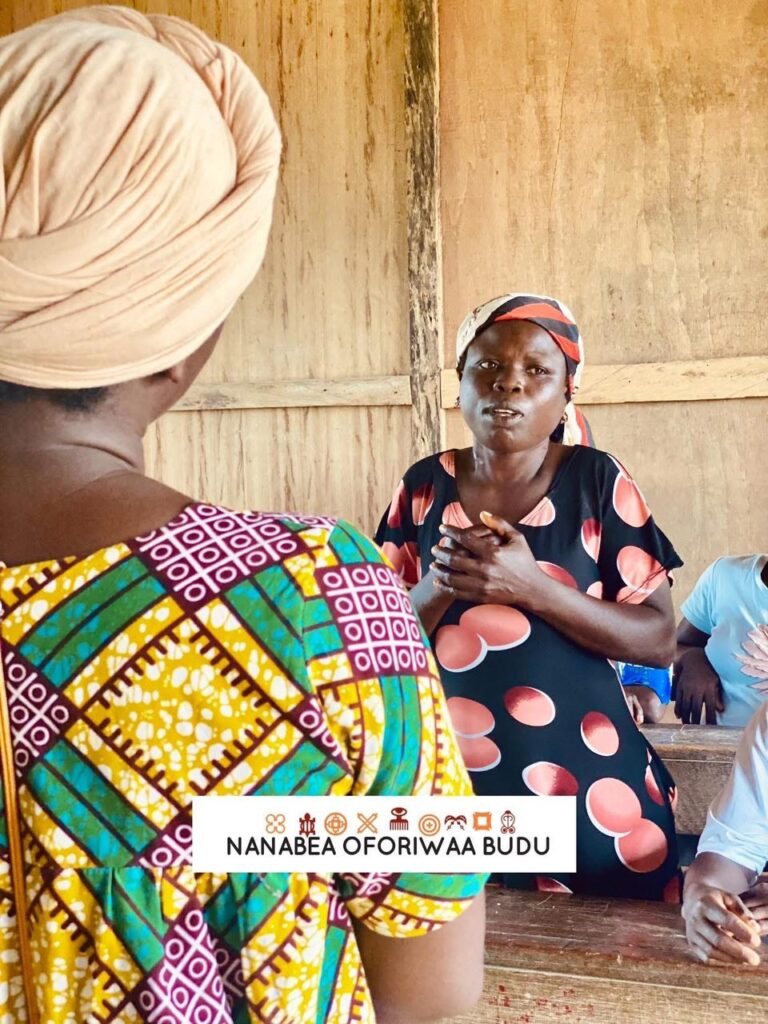
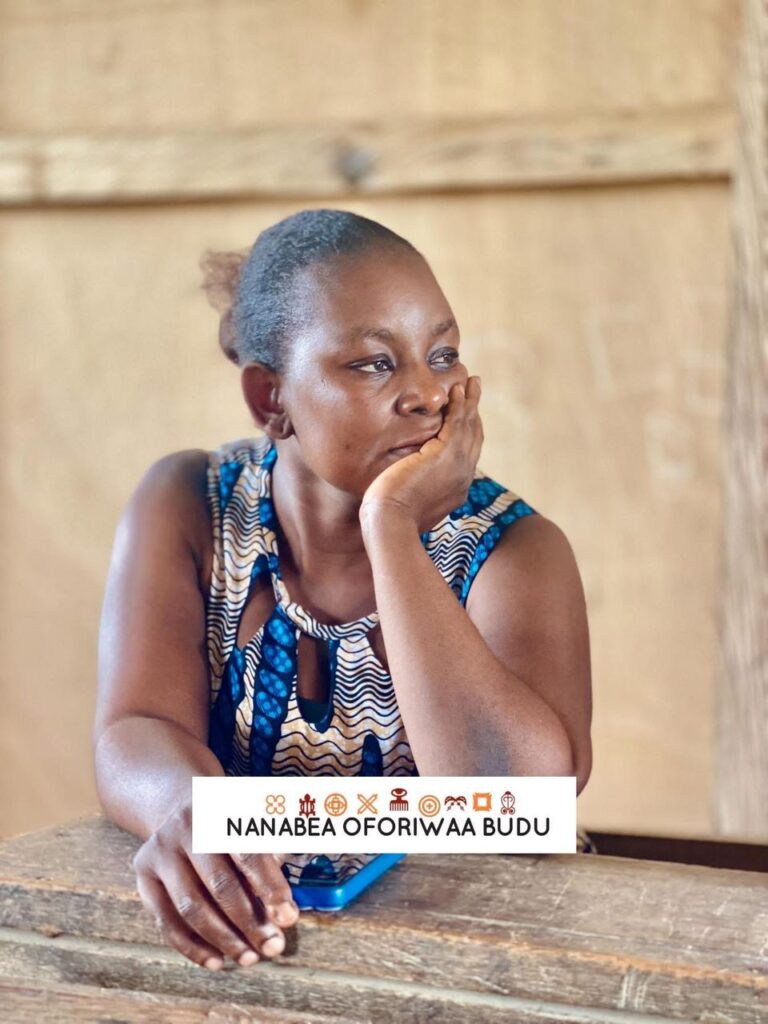
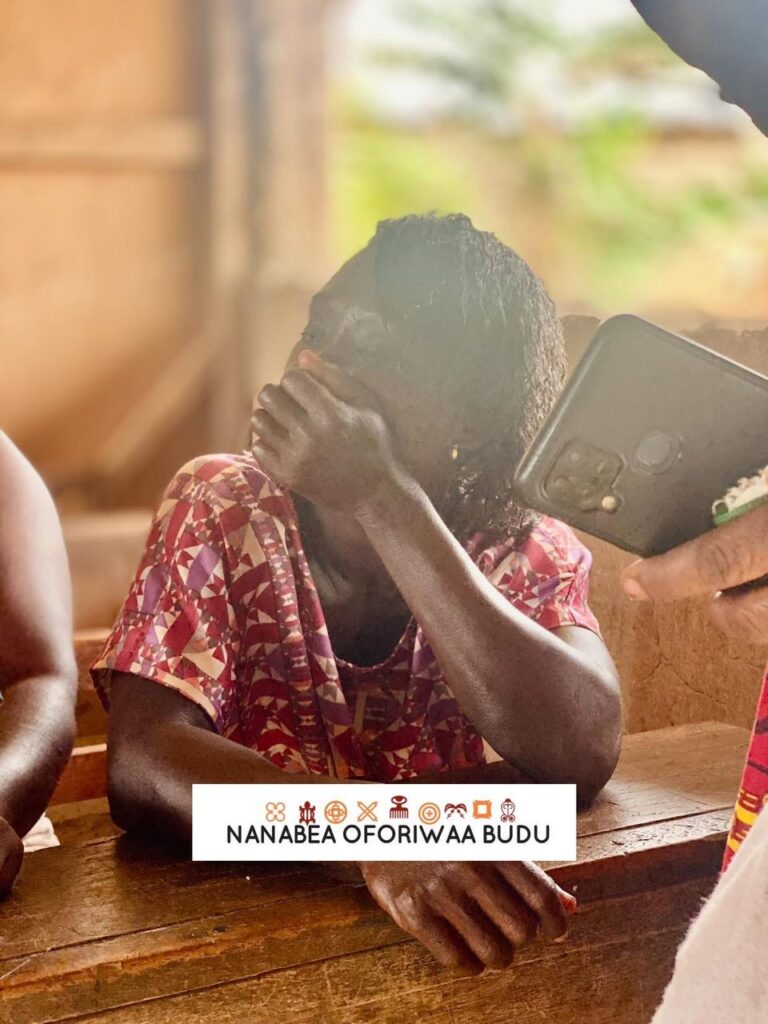
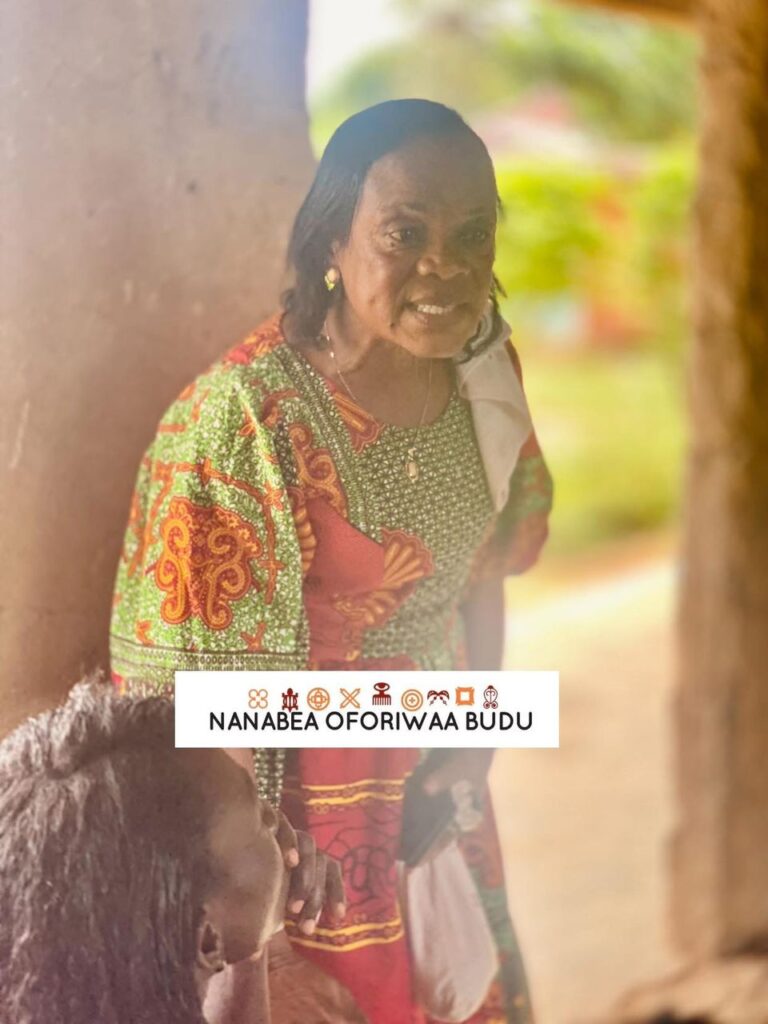
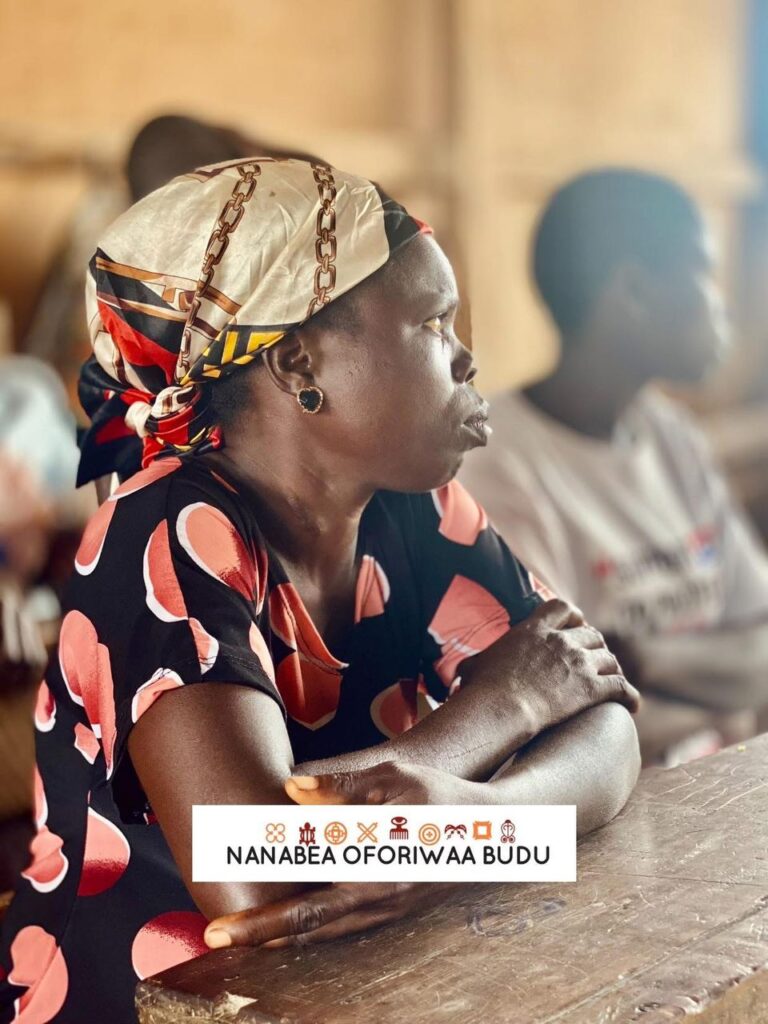
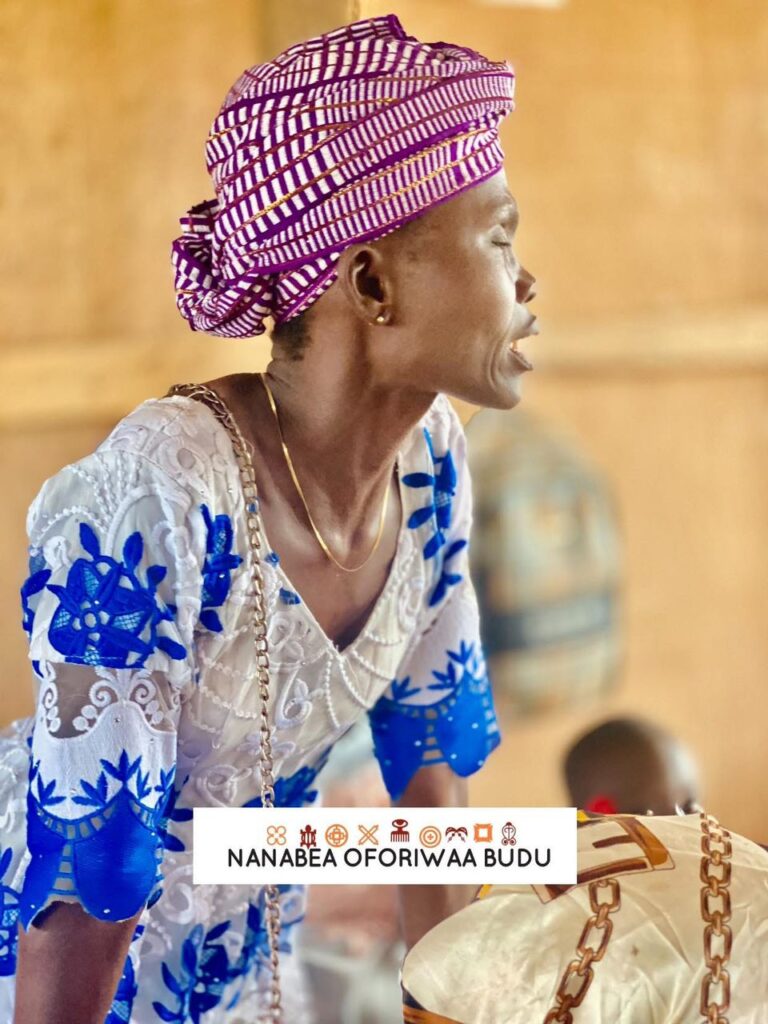
While international recognition is vital, the Foundation’s heartbeat remains at home. To translate global insights into local action, the Foundation organized the first-ever Women Empowerment Conference in Budu.
The primary goal was simple yet profound: financial stability for the family. The conference served as a call to action for women to challenge themselves and break through traditional economic barriers.
Key Pillars of the Conference:
Financial Literacy: Training on managing household and business finances to ensure long-term stability.
Entrepreneurial Spirit: Encouraging women to identify local market needs and develop sustainable small businesses.
Collaborative Growth: Creating a network where women can support one another’s ventures through shared resources and knowledge.
Financial independence for women in Budu isn’t just about individual wealth; it’s about the resilience of the family unit. When women have the tools to generate income, children have better access to education, healthcare improves, and the community’s infrastructure grows stronger.
The Nanabea Oforiwaa Budu Foundation is not just providing aid; it is providing a blueprint for self-sufficiency. > “Empowerment is not a gift we give; it is a strength we unlock.”
Looking Ahead
As the Foundation continues its work, we invite the community to join hands in this movement. Whether through mentorship, local participation, or spreading the word, every effort counts toward building a Budu where every woman has the opportunity to lead and succeed.



No Comments